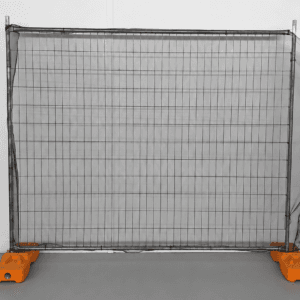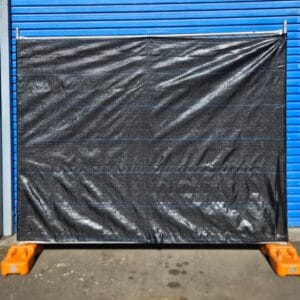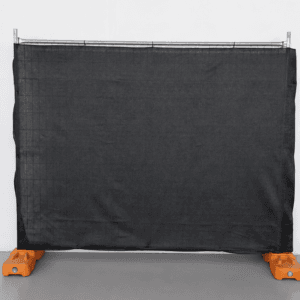
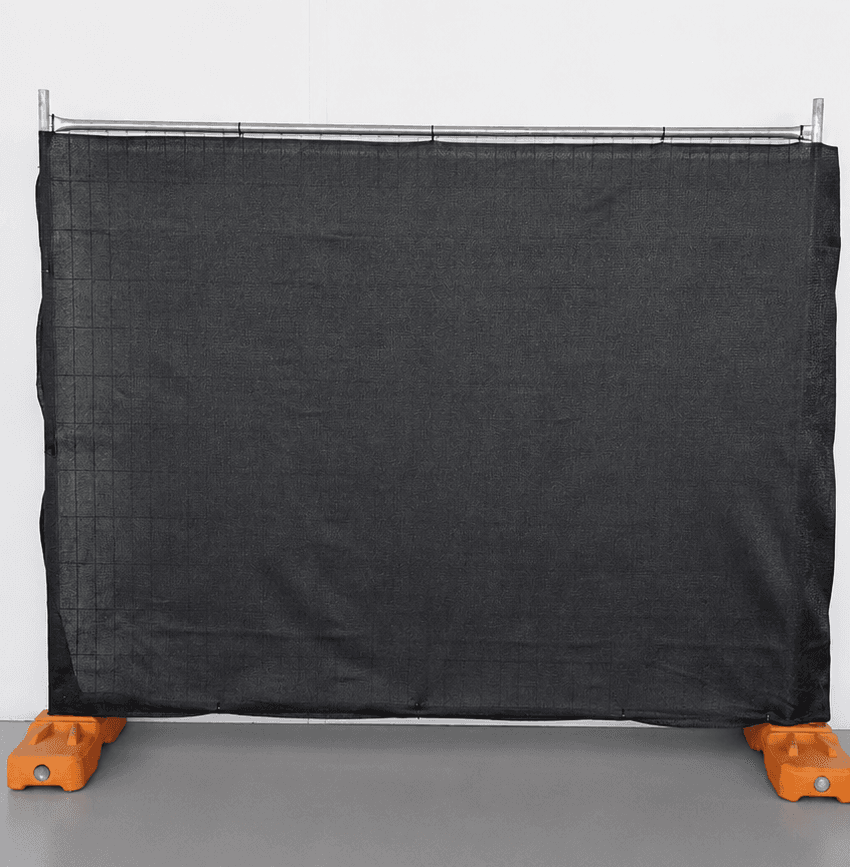
90% Shade Cloth
90% shade cloth provides high-level visual screening for temporary fencing, construction sites, civil works and events where privacy, dust control and site separation are important.
With approximately 90% blockout and around 10% openness, it provides substantially greater screening than lighter shade cloth products. This also means it creates significantly higher wind loading when fixed to temporary fencing, so appropriate bracing and ballast are critical.
Features
- Approximately 90% shade / blockout
- Approximately 10% open to airflow
- High level of visual screening
- Suitable for temporary fencing
- Helps reduce dust movement across site boundaries
- Suitable for construction, civil works and events
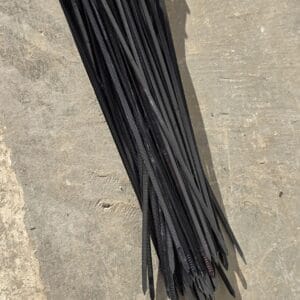
- Can be fixed using cable ties or other appropriate fasteners
- Reusable when handled and stored correctly
Temporary Fence Bracing
High-density shade cloth materially increases the effective wind area of temporary fencing and can create substantial overturning loads.
Tower Temporary Fencing’s Temporary Fence Scrim, Signage and Wind Loading Guide recommends that temporary fencing fitted with approximately 90% blockout shade cloth is braced at least every second panel, with additional ballast.
Recommended practical arrangement for 90% shade cloth:
- Brace at least every 2nd temporary fence panel
- Use 3 feet at each braced section
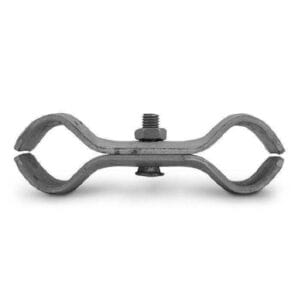
- Ensure all panels are correctly connected with suitable clamps
- Provide additional support at ends, corners and gates
- Increase bracing on exposed, coastal, elevated or public-facing sites
- Inspect fencing, ties, clamps, feet and braces after strong winds, impacts or ground movement
- Remove or lower screening where severe wind conditions create an unacceptable risk
For detailed guidance, refer to Tower Temporary Fencing’s Temporary Fence Scrim & Wind Load Guide NZ:
https://towerfencing.co.nz/technical-resource-hub/temporary-fence-scrim-wind-load-nz/
Important
90% shade cloth creates substantially greater wind loading than open mesh or lower-density screening.
Customers are responsible for confirming that the fencing system, bracing arrangement, ballast and screening product are suitable for the intended site conditions.
Tower’s bracing recommendations are general practical guidance only and are not a substitute for site-specific engineering or temporary works design. Exposed, high-risk or long-term installations may require additional bracing, ballast or engineering assessment.