

Temporary Fencing Requirements in New Zealand: Building Code, WorkSafe, HSWA and PCBU Duties
Temporary fencing requirements in New Zealand are based on risk assessment, Building Code F5, HSWA 2015 duties, WorkSafe guidance, site conditions, and public-safety risks. This guide explains when fencing is required and why it is often the safest control.
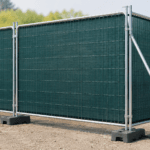
Scrim, Banner Mesh, Signage and Sound Mats on Temporary Fencing: Wind Load and Bracing Guide NZ
Scrim, banner mesh, signage and sound mats can increase wind load on temporary fencing. Learn how permeability, bracing and NZ site risks should be assessed.
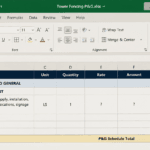
Temporary Fencing Tender Considerations In New Zealand
Practical tender guidance for pricing temporary fencing in New Zealand, including hire, installation, scrim, bracing, signage, relocations, damage risk, theft exposure and hire versus purchase considerations.
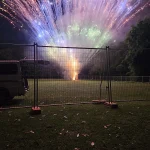
Event Fencing Considerations and Compliance
A practical guide to event fencing requirements in New Zealand, covering barrier selection, access control, crowd movement, council approvals, HSWA duties, scrim, wind loading and bracing.